
























How cold is Antarctica in summer?
Even in summer, when temperatures are at their highest, Antarctica remains cold. On the Antarctic Peninsula, which is the warmest part of the continent due to oceanic influences, temperatures can reach 59 °F (15 °C) in midsummer. However, in most other parts of the continent, summer temperatures are much lower, with average temperatures ranging from around 32 °F (0 °C) on the coast to between −20 and −35 °C (−4 and −31 °F).
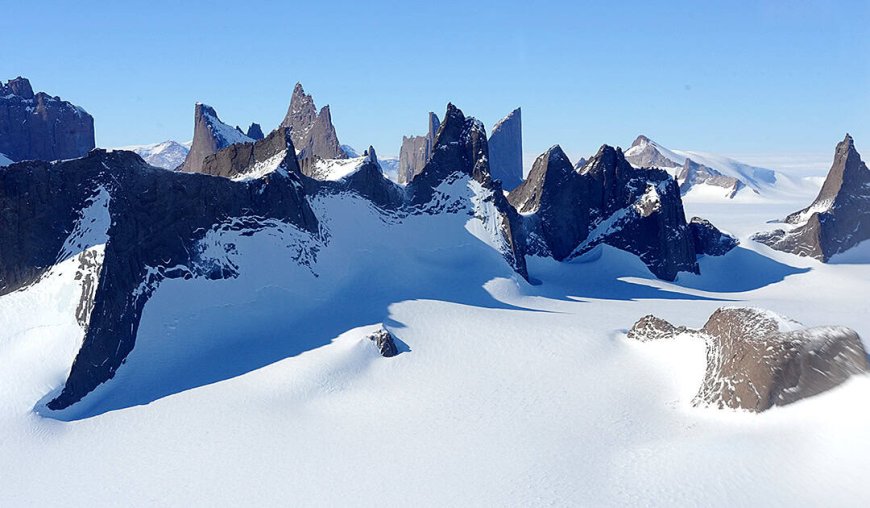
Antarctica holds the record for the lowest temperature ever recorded on Earth. At Vostok Station, a Russian research station located above Lake Vostok on the continent's high interior ice sheet, temperatures fell to a record low of −128.6 °F (−89.2 °C) on July 21, 1983.
During the winter months, temperatures in Antarctica can vary considerably depending on location. In the interior of the continent, winter temperatures can range from −40 to −94 °F (−40 to −70 °C). The coldest period on the interior polar plateau usually occurs in late August, before the sun returns after the long polar night. Near the coast, temperatures are milder but still extremely cold, ranging from −20 to −30 °C (−4 to −22 °F).
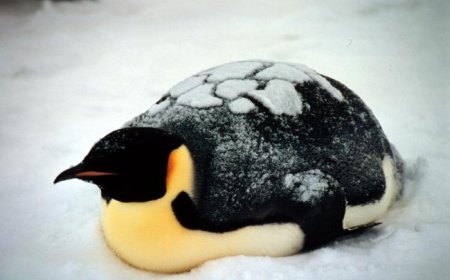
Visiting in winter can be much less pleasant than in the summer months. While the Antarctic Peninsula remains relatively temperate even during winter, with an average temperature of −12 °C (10.4 °F), Antarctica has an average temperature of −34.4 °C (−30 °F). Thick sea ice covers the continent in winter, making it difficult for ships to reach the continent. Add to that the strong winds of around 100 km/h (62 mph) and the blizzards that sweep across the continent. The highest wind speed ever recorded was 320 km/h (about 200 mph). Only a few people spend the Antarctic winter in research bases across the continent, celebrating midwinter on June 21, when the sun is furthest from the South Pole.
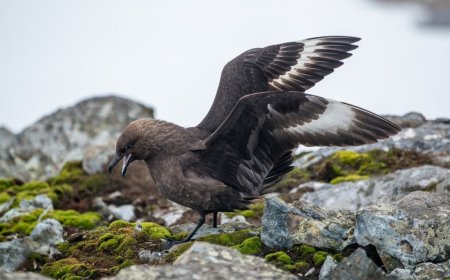
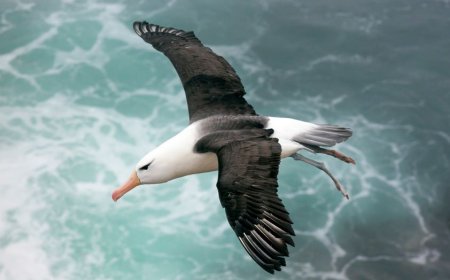
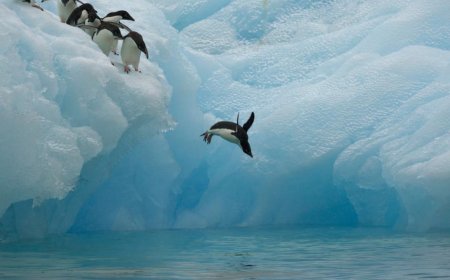
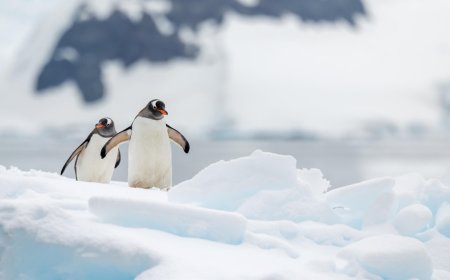
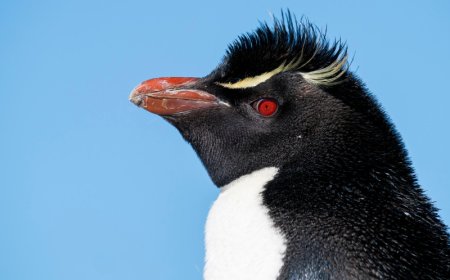
Its proximity to the ocean and its northern location give the Antarctic Peninsula a very comfortable marine climate, perfect for exploring and seeing an abundance of wildlife. It’s a great place for any traveler who wants to go on a zodiac cruise, walk on land, and spot marine mammals and rare seabirds. The average temperature during the main cruise season is around 0 degrees Celsius (32 degrees Fahrenheit).
The dry, thin air over the interior of Antarctica produces small clouds. However, near the coast, more moisture is available, and low-pressure systems have a greater influence. This means that cloudy conditions are more common near the coast, especially on the Antarctic Peninsula.
Strong winds make it difficult to accurately measure snowfall. The average snow accumulation across the continent is estimated to be about 150 mm of water equivalent. At high altitudes, the annual value is less than 50 mm. Near the coast, it is usually more than 200 mm, with the highest being over 1,000 mm for the area near the Bellingshausen Sea.
What's Your Reaction?